The Definitive Guide to
Brooklyn Office Lofts.
A field guide to Brooklyn's loft districts — what the buildings actually are, why they ended up so different from each other, and how to work out which one fits what you do.
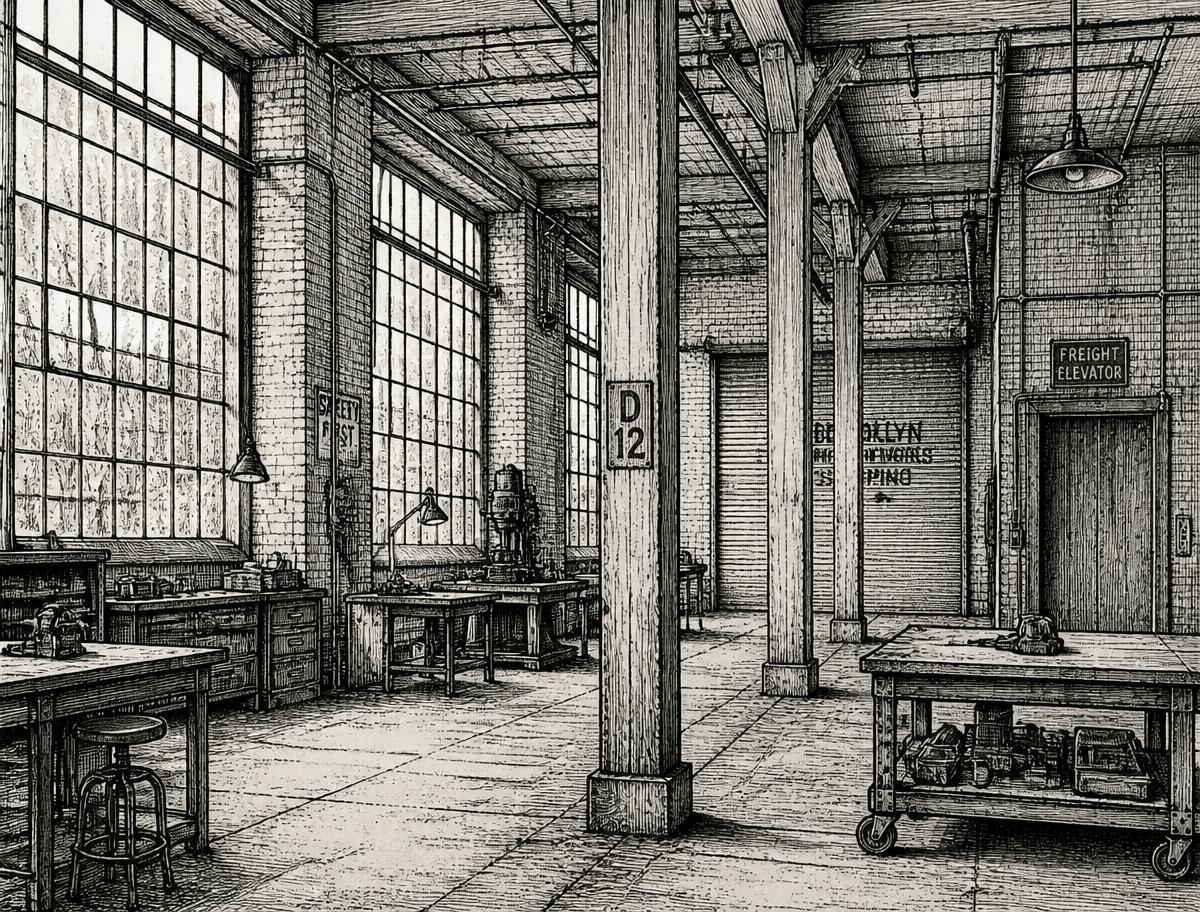
One building type, seven futures
Almost every loft floor in Brooklyn was built between roughly 1860 and 1940 for an industry that needed weight, light and freight. Sugar refining on the Williamsburg waterfront. Glass and shipbuilding in Greenpoint. Brewing in Bushwick. Cardboard in DUMBO. Shipping and warehousing in Sunset Park. Different products, the same structural problem — hold heavy things, get daylight deep into the floor, move goods vertically — and so a recognizable family of buildings.
What that means practically is that the same six questions work on a tour anywhere in the borough. Clear-to-deck ceiling height, not to the bottom of a duct. Freight capacity in pounds, and whether the car opens into your space. Floor load in pounds per square foot. Column spacing, measured rather than taken from a plan. Whether rent is quoted on rentable or usable square footage. And who else is in the building.
What has diverged completely is not the buildings. It's the zoning, the rent, and what the neighbors will tolerate. That divergence is the whole subject of this guide, because it's what decides where you should be looking.
Four kinds of floor, and how to tell them apart
Heavy timber (roughly 1860–1900). Massive wooden posts and thick joists overhead, load-bearing brick walls, plank floors, smaller windows under segmental arches. Columns land close together, so plates are tight and light usually comes from two exposures at best. Beautiful, and often rated for less weight than tenants assume because the framing is wood. Common in Greenpoint, South Williamsburg and the older Bushwick mills.
Reinforced-concrete daylight factory (roughly 1900–1930). Mushroom-capped concrete columns, flat slabs, and very large multi-light windows on several exposures. Built for machinery and for light, so wider column grids, higher and more uniform floor loads, better daylight penetration. The DUMBO Gair buildings and the Bush Terminal lofts in Sunset Park are the reference examples, and there's plenty in Williamsburg.
Brick mill and manufacturing loft (roughly 1890–1930). The workhorse stock, and most of what you'll actually tour. Brick, three to six stories, timber or early steel framing, steel-sash windows, usually one freight shaft. Floor plates commonly 3,000 to 12,000 square feet. This is where nearly all of the demised small space in Brooklyn lives — East Williamsburg, Bushwick, Greenpoint.
Industrial warehouse (roughly 1940–1970). Concrete and steel, wide bays, drive-in doors and docks at grade, high floor loads, sometimes single-storey under sawtooth skylights. No charm at all, maximum capability. Concentrated in the Industrial Business Zones — the Evergreen corridor, the East Williamsburg blocks toward Newtown Creek, and the Sunset Park waterfront.
Zoning, not architecture
Two identical concrete floors, one in Sunset Park and one on the Williamsburg waterfront, are completely different products — and the difference has nothing to do with the buildings.
Protected. Sunset Park's waterfront, East Williamsburg, Greenpoint's creek side and Bushwick's Evergreen corridor sit inside designated Industrial Business Zones. Production is the expected use. Three-phase power, venting, floor loads and truck access are normal conversations, and the land is not on a path to housing. If you're spending money on a build-out you want to still be using in ten years, this is where that money is safest.
Shrinking. Gowanus was rezoned for mixed use in 2021 — roughly eighty blocks around the canal. The buildings are still industrial and plenty of owners are still leasing them that way, but some are leasing while they plan to redevelop, and the two are indistinguishable on a tour. Here the important questions are about the owner rather than the floor: remaining term, demolition clauses, and what happens to your build-out if the building trades.
Converted. DUMBO and the Williamsburg waterfront went years ago. The stock is office, residential and retail now, much of it landmarked, most of it with homes above or beside it. These are excellent buildings for studios, offices and post houses. They are the wrong buildings for a kiln, a spray booth, or anything that runs at three in the morning.
None of it is permanent, and that's the point. Gowanus was protected until 2021. DUMBO was a working waterfront until the seventies. Checking which category a building is in — and how recently it changed — is the single highest-value thing you can do before signing.
How the districts actually differ
North Brooklyn — Williamsburg, Greenpoint, East Williamsburg, Bushwick. The deepest creative tenancy in the city and the widest range of building stock. Williamsburg is the finished, expensive, well-connected end. Greenpoint runs smaller floors at lower rents with the G train as the honest catch. East Williamsburg and Bushwick are the working half — protected zoning, real loading, the rawest space and the cheapest rents in the north.
The western waterfront — DUMBO. The shortest commute to Manhattan of anywhere in the borough, the best-preserved concrete daylight factories, and a landmarked district. Also the least tolerance for noise, the hardest loading, and concentrated ownership that means space often moves before it's advertised.
The canal — Gowanus. Industrial buildings with roll-up doors, half an hour from Midtown, wedged between two of the most expensive residential neighborhoods in Brooklyn. Excellent floors; a shrinking supply of them.
The south waterfront — Sunset Park. The largest concentration of intact industrial floor space left in New York, in purpose-built campuses with professional management and protected zoning. The biggest plates, the best loading, the lowest rents, and a ten-to-fifteen-minute walk from the subway with an expressway in between.
What tenants ask us about most
“How do I choose between Brooklyn's loft districts?” Start with what you do, not where you'd like to be. Machinery, venting, trucks or overnight hours point you to Sunset Park, East Williamsburg or Bushwick, where zoning protects the use. Desk-based teams who want character and a short commute point to Williamsburg, DUMBO or Greenpoint. Gowanus is the middle case. Getting this right saves more money than any negotiation.
“What do all these buildings have in common?” They were built between roughly 1860 and 1940 for industries that needed weight, light and freight — sugar, glass, brewing, printing, shipping, cardboard. That's why a Brooklyn loft floor tends to have high ceilings, big windows, real floor loads and a freight elevator, and why the same tour questions work across every district: clear-to-deck height, freight capacity in pounds, floor load in PSF, and rentable versus usable square footage.
“Which districts have protected industrial zoning?” Sunset Park's waterfront sits in the Southwest Brooklyn Industrial Business Zone, East Williamsburg and Greenpoint in the North Brooklyn IBZ, and Bushwick's Evergreen corridor in its own. Those are the districts where you can spend real money on a build-out without wondering whether the building becomes apartments. Gowanus was rezoned for mixed use in 2021 and DUMBO converted long ago.
“What's the honest catch with Brooklyn?” The trade is always the same and it runs in one direction: the cheaper and more capable the building, the further you are from a train and from Manhattan. Sunset Park has the best floors and the longest walk. DUMBO has the shortest commute and the least tolerance for noise. Nobody in this borough gets all three of cheap, capable and convenient — the job is deciding which one you can give up.
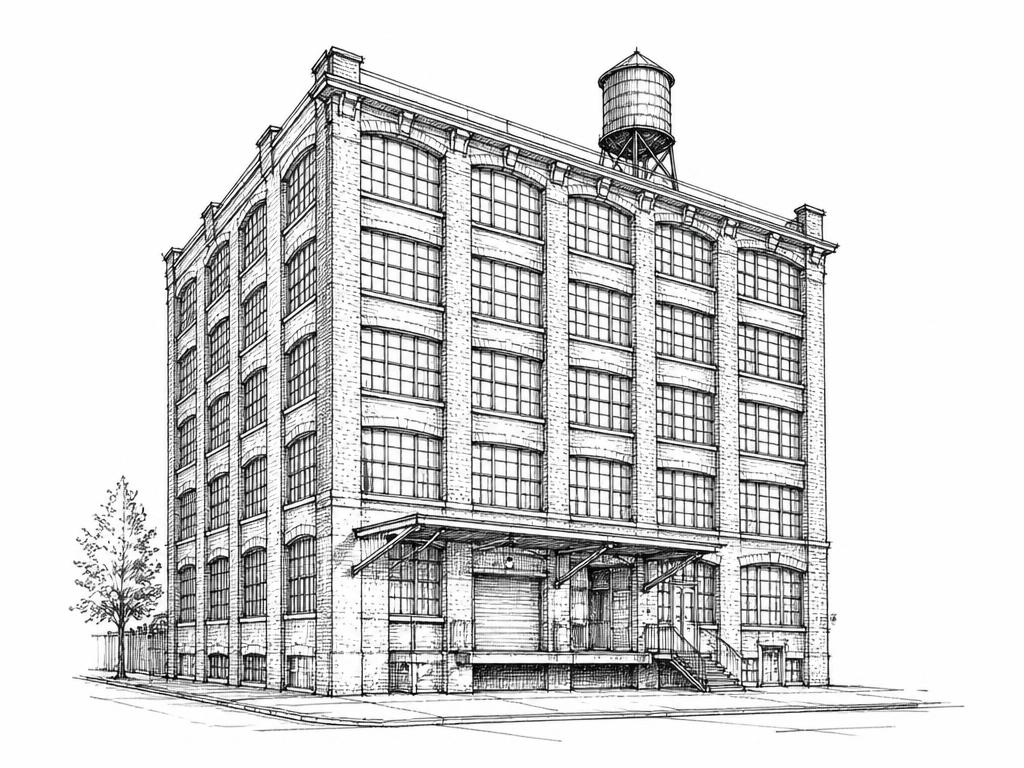
Williamsburg
Timber frame and reinforced-concrete daylight factories, the deepest creative tenancy in the borough, and the highest rents in north Brooklyn.
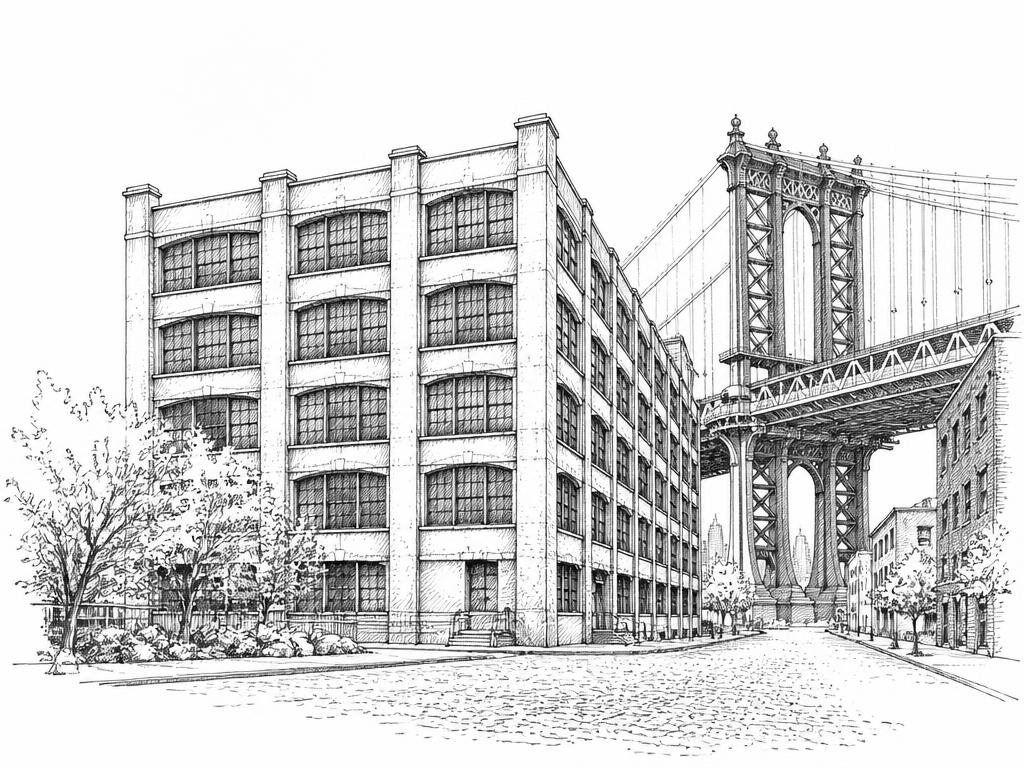
DUMBO
One stop to Manhattan and the best-preserved Gair-era concrete floors — but landmarked, converted, and no place to make things.
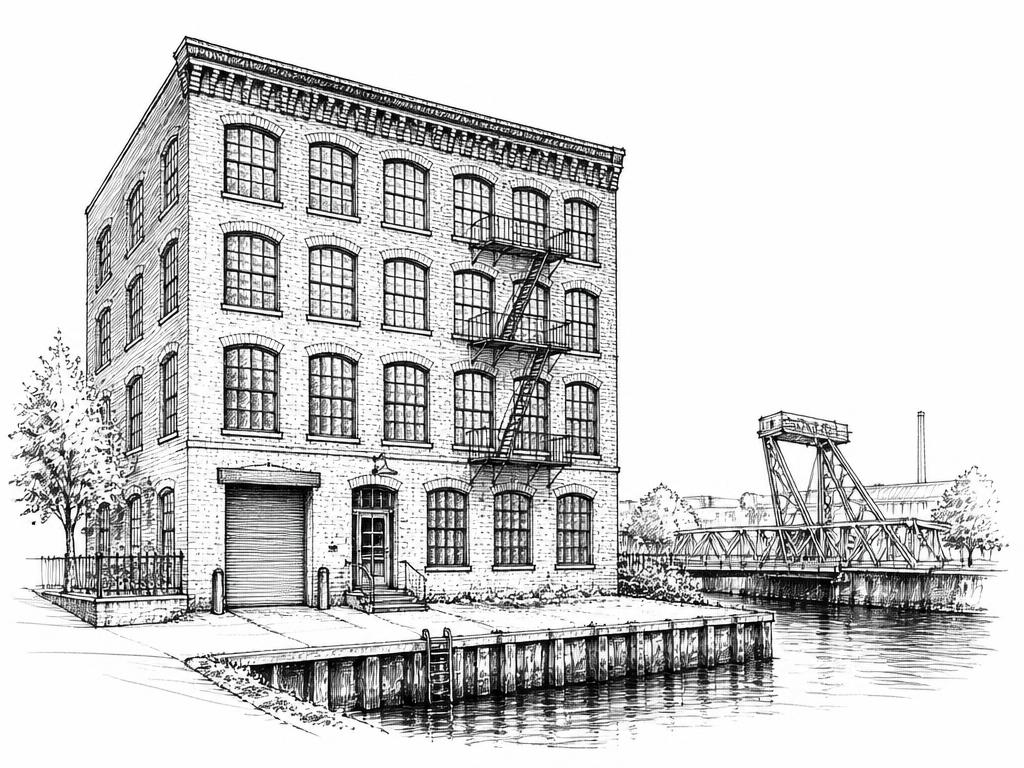
Gowanus
Roll-up doors half an hour from Midtown. Excellent industrial floors, and a shrinking supply of them since the 2021 rezoning.
Tell us what you're after.
Seven quick questions. A person reads it. We keep an eye out — including for floors that never hit a listing site.
Start the Brief →